
Now that you’ve explored your artistic identity and emotional intention (from Part 1), it’s time to focus on defining your sound — and understanding how to bring that vision into your first EP or album. As a vocal coach and artist mentor I’ve worked with hundreds of people in this position. I see this stage as the moment where clarity becomes creation.
The key is to apply what you already know about yourself as an artist and translate it into practical decisions that shape your recording.
The Importance of Limiting Your Ideas
Great art thrives when there’s focus and unity. It’s easy for artists to get overwhelmed with too many ideas, and that’s where limitations can actually be a strength. As Orson Welles said, “The enemy of art is the absence of limitation.” Your favorite albums likely didn’t try to do everything at once. They found a specific sound and stuck with it.
Remember: You don’t need to say everything you’ve ever wanted to say in one project. It’s okay to save some ideas for later releases—focus on what feels true to you now. There are producers who work with artists of 3 EPs or 3 albums at once. E.g. “Keep this idea for album II’.
Defining Your Sound: What Does Your Music Sound Like?
Now, it’s time to get specific. Ask yourself:
- What does your EP or album sound like?
- What instruments will you use? (Focus on lead vocals, rhythm section, and 1 something extra like strings or backing vocals.)
- Is your music lyric centric? Or more about vibe? (If it is how do you ensure your vocal has the space it needs and the instrumentalists don’t play too busy).
- Do you want the sound to be intimate or big and bombastic?
- Is it digital or organic-sounding?
- What vibe do you want the recording to have? Dry, atmospheric, bright, or subdued?
- Do you hear close mics/strum/pedal noise or more distance?
- How do you want to layer instruments/vocals? Are the instruments doubled or recorded in stereo to give the vocal more central space? Are the vocals doubled/tripled?
- How dynamic do you want your track to be? Or would you prefer it to be heavily compressed?
These decisions will help shape your entire project, and your artistic identity (from Part 1) will guide these choices. If your vision leans toward raw, intimate performances, your production should reflect that—keep it simple.
What do you want it to sound like and why?
Self recording vs. Professional Help:
Now that you know what you want your sound to be, you’ll need to decide whether you want to record it yourself or hire a professional. While DIY can be tempting, it’s important to remember that great recordings need more than just technical skills—they need fresh, professional ears.
I personally found DIY recording to be frustrating. The result was often not as good as if I’d just gone into a professional studio for a few days. Hiring a professional can help you avoid overthinking, perfectionism, and the common pitfalls of DIY (like too many overdubs or getting stuck in endless tweaking, demo-itis). Which can really drain the spontaneity and freshness from your music.
Sure, finances are always a factor, but sometimes hiring a pro can save you more time and stress in the long run. Tracey Thorn’s album A Distant Shore (1983) only cost her £138 in a studio, yet it reached number one in the UK indie charts because it was simple, beautiful, and professionally recorded.
The Lead Vocal: The Heart of the Work
As a vocal coach for artists I am generally working with people who consider voice the centre of the art. So it’s essential to get it down early in the process. Make sure the music complements the vocal—everything should support the lead. Your voice needs space. It needs to be in the foreground generally. Don’t distract from the vocal too much, in terms of EQ or other instrumental melody. Listen for space.
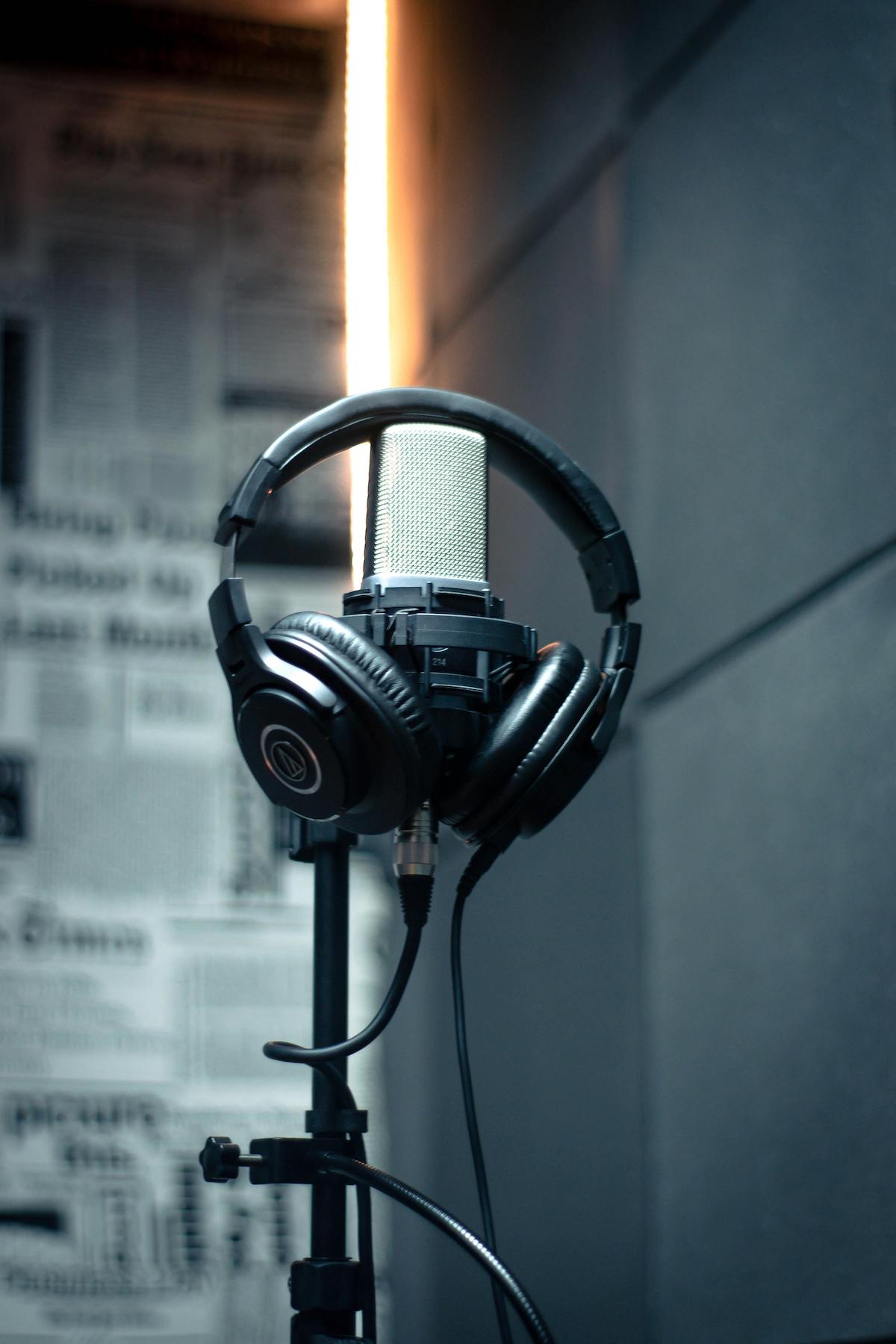
Take time to experiment with different mics to see what works best for your voice. Sometimes, the right mic can make a huge difference. And remember, performance is everything—the emotion and energy behind the vocal will ultimately bring your song to life.
Post vocal record – Emotional Intention
Once you have your vocal recorded, revisit your emotional intention (from Part 1) and ask yourself:
- Is your voice full of emotion?
- Can your listeners feel your music?
- Is the vocal performance conveying the story, not just the notes?
- Are you building energy and dynamics throughout the song?
Focus on being present in the moment. Enunciate well, and don’t just sing the words—live them.
(N.B Recording is something you can practise before you head into the studio!)
Conclusion:
Creating your first EP or album is an exciting and challenging journey that requires focus, honesty, and clarity. By limiting your ideas, defining your sound, and staying true to your artistic identity, you’ll be able to craft a cohesive project that speaks to your vision. Remember, it’s not about doing everything at once—great art is about saying just enough, and saying it well.
Whether you decide to record on your own or hire a professional, the most important thing is to stay connected to the emotional core of your music. Your vocal performance, your choices in production, and the way you bring your ideas to life will all play a part in shaping the final outcome.
Stay true to yourself and trust the process.
If you’re ready to shape your sound, refine your recording process, and develop your artistry, book a session with me. I offer vocal coaching and artist development in London and online. Reach out and say hi!


